

When you compare a cappuccino, latte, and macchiato, you’ll notice key differences. A cappuccino blends equal parts espresso, steamed milk, and foam, resulting in a creamy texture. A latte uses more steamed milk, giving it a smoother, milder flavour. On the other hand, a macchiato features mostly espresso with just a touch of milk, emphasizing a strong coffee taste. The serving sizes also vary, with cappuccinos and macchiatos in smaller cups and lattes in larger mugs. Each drink caters to unique preferences, and there’s much more to explore about their origins and brewing techniques.
What Is Espresso?
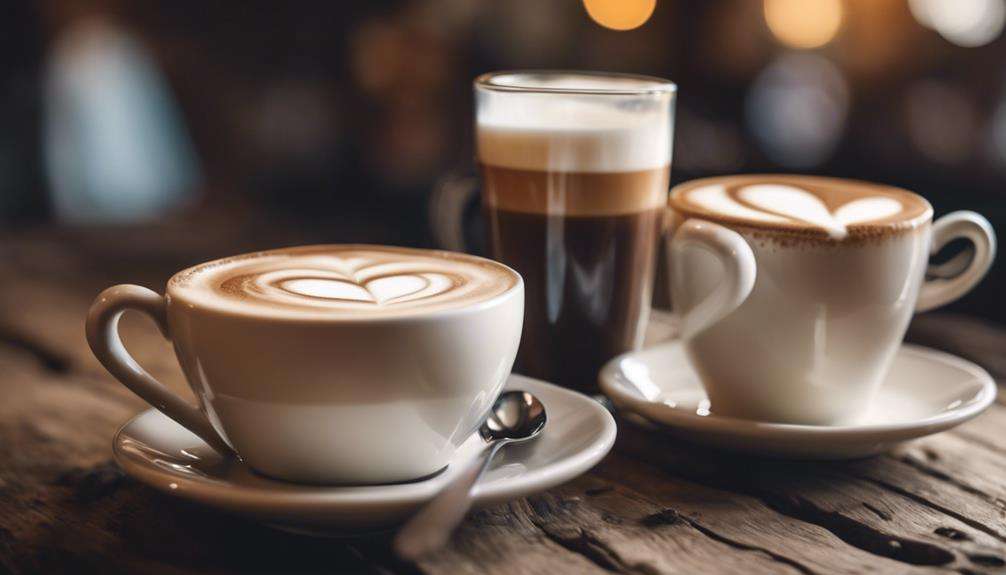
Espresso is a concentrated coffee brewed by forcing hot water through finely-ground coffee under high pressure, resulting in a rich, bold flavour. Its origins trace back to Italy in the early 20th century, where the desire for a quick coffee led to the development of espresso equipment like the espresso machine. This innovative device revolutionized coffee brewing, allowing for rapid espresso extraction that captures the essential oils and flavours from the coffee grounds.
You can find various espresso varieties, each offering unique taste profiles based on the coffee beans used and the brewing method. When you engage in espresso tasting, pay attention to the crema, the golden frothy layer atop a well-pulled shot, which signifies quality. The brewing process typically takes about 20 to 30 seconds, emphasizing the need for precision.
Espresso’s versatility makes it the foundation for many popular coffee drinks. Understanding what espresso is and how it’s made will enhance your appreciation for cappuccinos, lattes, and macchiatos, allowing you to enjoy the richness of each cup to the fullest.
Overview of Cappuccino
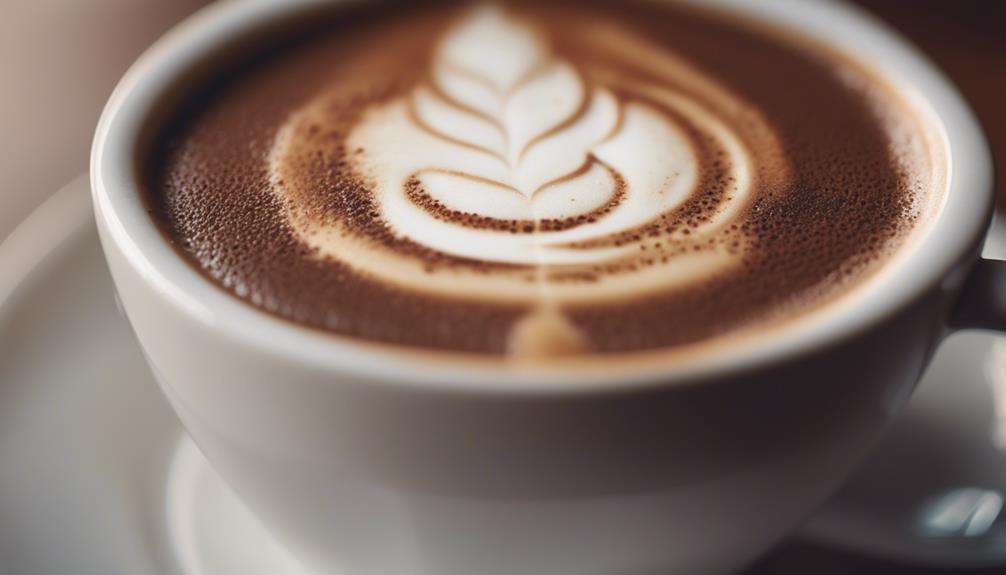
A cappuccino is a delightful blend of equal parts espresso, steamed milk, and milk foam, creating a rich and balanced flavour profile. Its origins trace back to Italy, where the drink got its name from the Capuchin monks, reflecting the brown colour of their robes. Understanding cappuccino history adds depth to your appreciation of this beloved beverage.
When you prepare a cappuccino, you’ll often engage in specific cappuccino rituals, such as brewing a strong espresso shot and steaming milk to around 150°F. Topping it with a thick layer of milk foam is essential for that signature texture. The terminology around cappuccinos can be quite interesting—terms like “dry” and “wet” refer to variations in foam and milk content, catering to different preferences.
Cappuccino art, often seen in cafés, showcases the creativity that can be expressed in these drinks. From hearts to intricate designs, the foam serves as a canvas for skilled baristas. Next time you enjoy a cappuccino, remember these elements that contribute to its charm and complexity, making it a true classic in coffee culture.
Overview of Latte
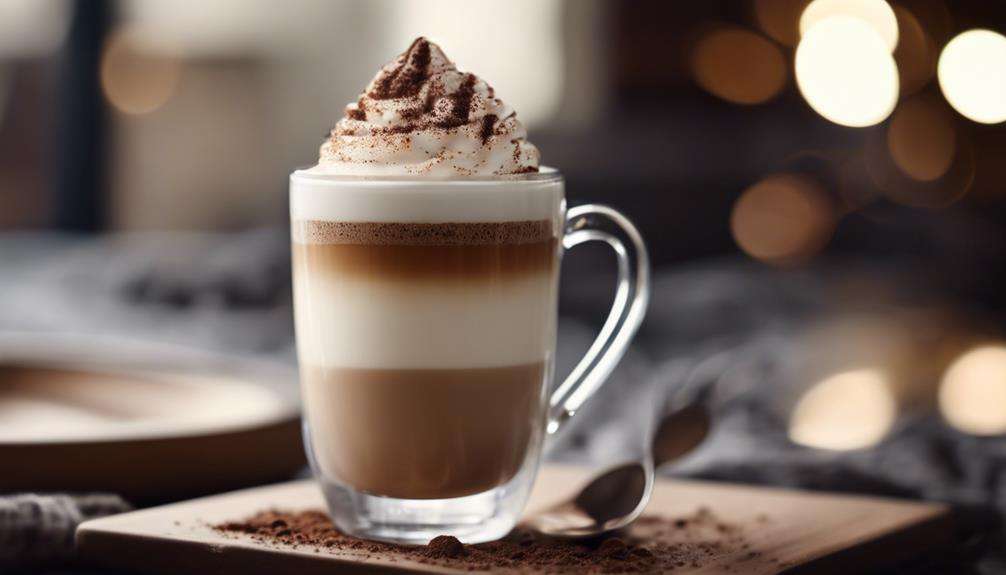
Latte lovers enjoy a creamy coffee drink made with a shot of espresso and a generous amount of steamed milk, resulting in a smooth and mild flavour. With a typical milk-to-espresso ratio of 3:1, the latte’s creamy texture comes primarily from the steamed milk, often topped with a small dollop of milk foam for extra richness.
One of the fun aspects of lattes is the potential for latte art. Skilled baristas use milk frothing techniques to create beautiful designs on the foam, adding an artistic touch to your drink. You can also customize your latte by adding flavour syrups, transforming it into a unique beverage that suits your taste. Whether you prefer vanilla, caramel, or hazelnut, the options are endless.
For those who are lactose intolerant or prefer plant-based options, dairy alternatives like almond, oat, or soy milk work wonderfully in a latte. This adaptability makes the latte a favourite among coffee aficionados who appreciate a milder coffee flavour along with the creamy experience. So, grab your favourite milk, espresso shots, and get ready to indulge in this delightful drink!
Overview of Macchiato
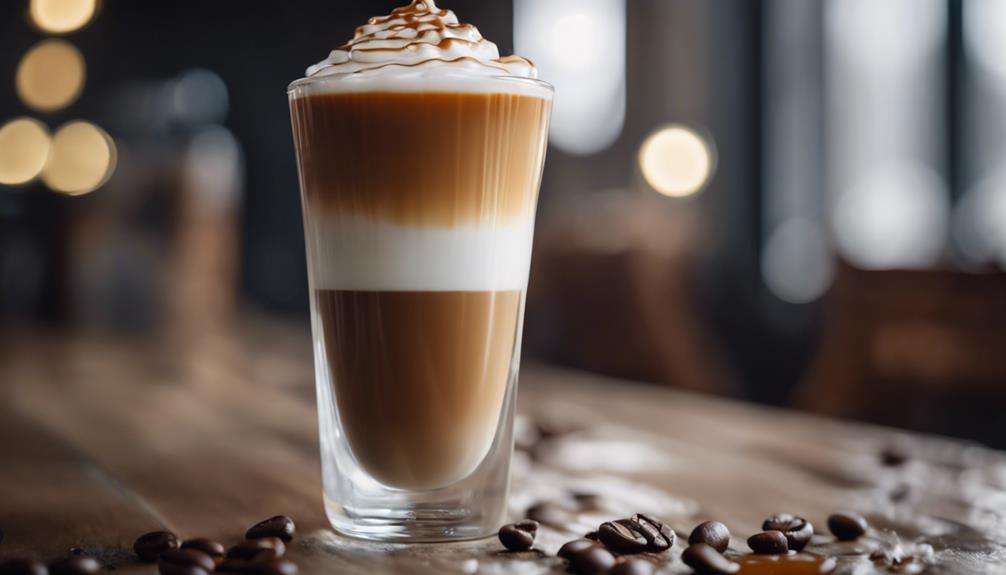
Macchiato offers a bold coffee experience with its rich espresso base, topped only with a small amount of milk foam to enhance its intensity. The term “macchiato,” meaning “stained” in Italian, reflects its origins as an espresso drink that’s merely spotted with milk. This tradition dates back to Italy, where coffee culture emphasizes strong flavours and minimal dilution.
In terms of macchiato history, it’s primarily a straightforward drink that allows the espresso to shine, typically served in small portions of about 2 ounces. The espresso-to-milk ratio is impressive, ranging from 4:1 to 9:1, making it one of the strongest options available.
You’ll also find macchiato variations that cater to diverse tastes, such as the caramel macchiato, which adds flavoured syrups and extra milk, creating a sweeter, creamier profile. Recently, macchiato trends have surged in coffee shops, appealing to those who seek an intense coffee experience. This drink not only reflects Italian coffee culture but also showcases how adaptations can resonate with modern preferences, making it a staple for both traditionalists and newcomers alike.
Key Ingredients Comparison
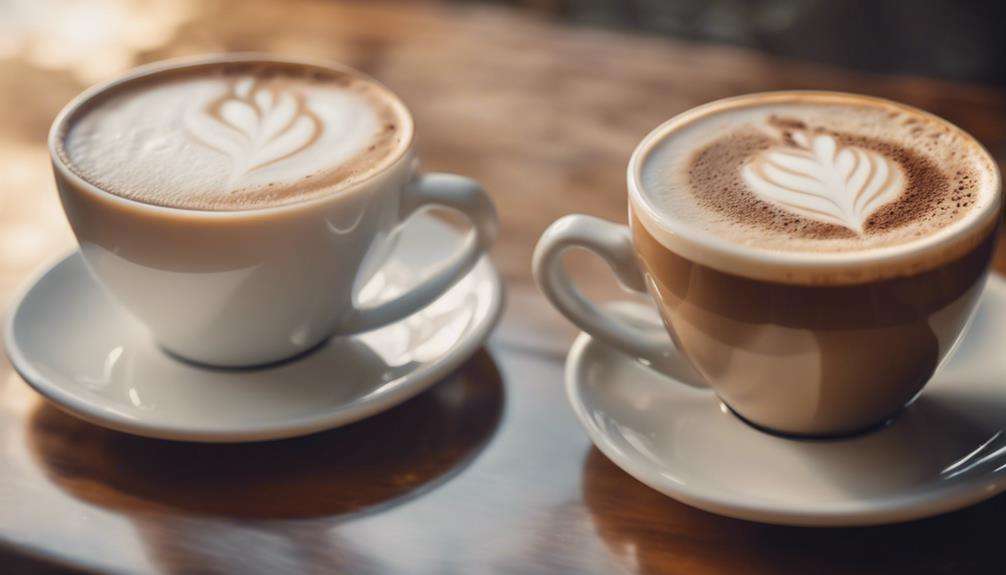
Understanding the key ingredients in cappuccinos, lattes, and macchiatos reveals how each drink uniquely balances espresso and milk to create distinct flavours and textures. All three beverages start with espresso, but the espresso types used can vary based on personal preference and brewing equipment. A cappuccino combines equal parts of espresso, steamed milk, and milk foam, while a latte has a higher ratio of steamed milk, resulting in a creamier profile. The macchiato, on the other hand, emphasizes the espresso with just a touch of milk foam, offering a more intense coffee experience.
When it comes to milk alternatives, you can experiment with options like almond, oat, or soy milk, which can change the flavour and texture of each drink. Flavour enhancements, such as flavoured syrups or spices, can also be added to any of these drinks to elevate their taste. Finally, serving styles differ: cappuccinos are often served in smaller cups, lattes in larger mugs, and macchiatos in demitasse cups, further reflecting their unique identities. By understanding these key ingredients, you can better appreciate each drink’s distinct character.
Milk Texture Differences
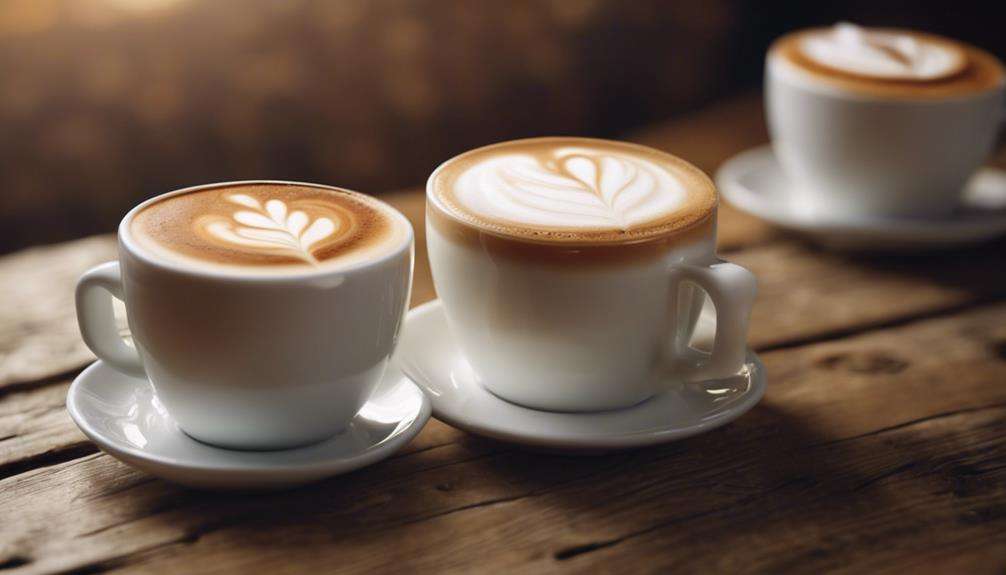
The texture of milk plays a considerable role in defining the experience of cappuccinos, lattes, and macchiatos, influencing both flavour and mouthfeel. In a cappuccino, the microfoam qualities are key. You enjoy a thick, velvety foam created through equal parts espresso, steamed milk, and milk foam. This results in a rich, airy texture that contrasts nicely with the bold espresso flavour.
When it comes to lattes, the texture changes considerably. The milk is steamed to a higher temperature, creating a smooth and creamy consistency. With a typical ratio of 1:3 espresso to steamed milk, you get a much softer mouthfeel, lacking the textural contrast found in cappuccinos.
On the other hand, a macchiato features the least amount of milk. With just a dollop of foam added to a shot of espresso, the foam density is minimal, leading to a denser texture. This results in a bold coffee flavour, emphasizing the espresso rather than the creaminess of the milk. Each drink offers a unique experience based on how the milk is prepared and incorporated, showcasing the importance of texture in your coffee enjoyment.
Coffee Flavour Profiles Explained
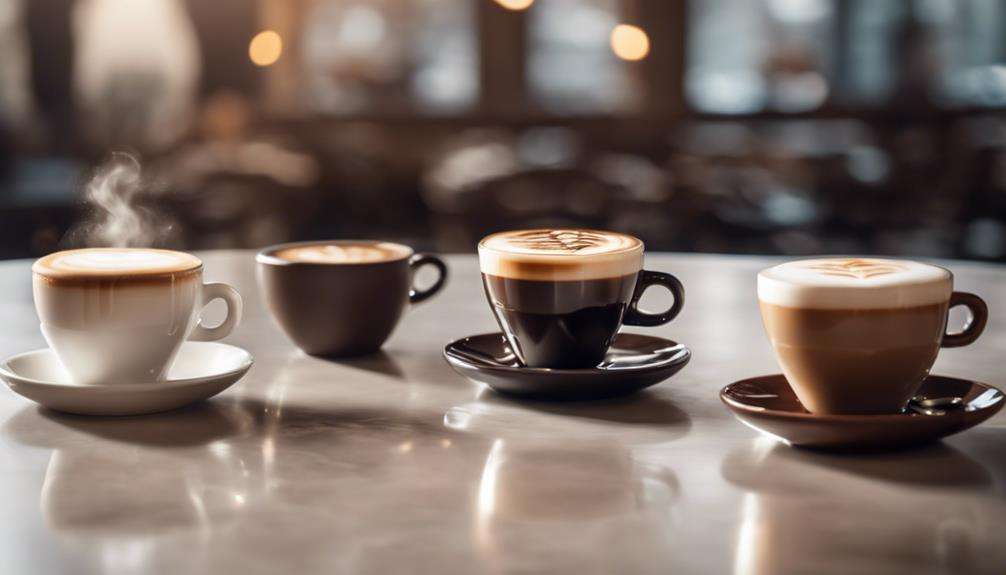
Cappuccinos, lattes, and macchiatos each offer distinct flavour profiles that cater to different preferences, making it easy to find the right drink for any coffee lover. A cappuccino delivers a balanced flavour intensity, where the equal parts of espresso, steamed milk, and milk foam combine to create a rich, creamy taste. The frothy texture enhances the aroma profile, inviting you to savour each sip.
On the other hand, a latte leans more towards a milder flavour with a sweetness balance that’s ideal for those who enjoy a smooth, creamy beverage. The higher ratio of steamed milk creates a gentle integration of flavours, resulting in a comforting drink that’s less intense than a cappuccino.
If you’re looking for a bold experience, the macchiato provides just that. With its strong espresso flavour and minimal milk integration, it presents a concentrated coffee experience. The aftertaste nuances are pronounced, leaving you with a lingering espresso richness. Each drink showcases unique characteristics, so you can choose based on your mood or preference for flavour intensity and sweetness balance.
Preparation Methods
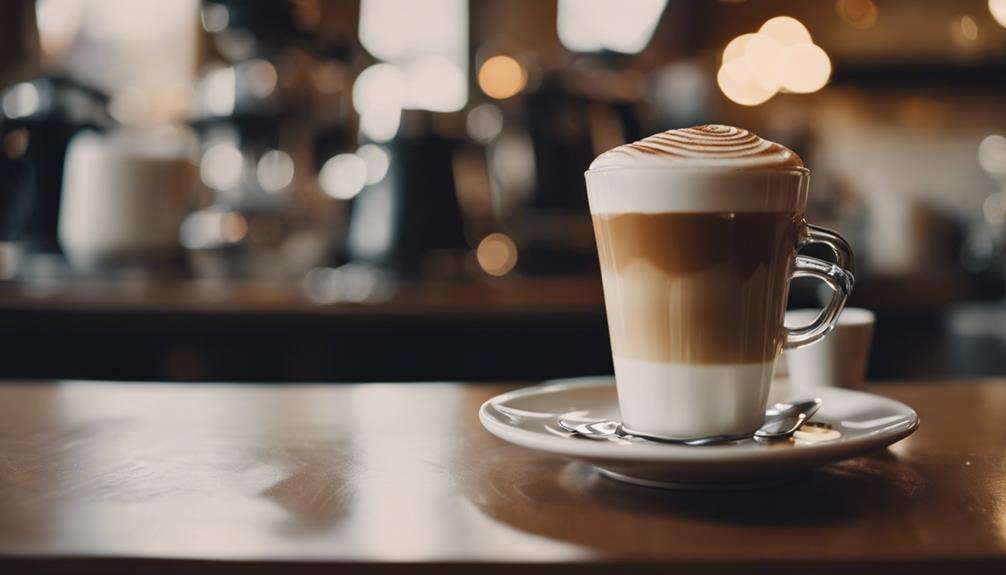
When making these popular coffee drinks, each requires a unique preparation method that impacts the final flavour and texture. For a cappuccino, you’ll need to use steaming techniques that create a thick foam consistency. Start with one shot of espresso, then steam equal parts milk to achieve that creamy texture.
A latte, on the other hand, involves more steamed milk and less foam. You’ll combine one espresso shot with about three times as much steamed milk, using a lower steaming temperature for a smoother consistency. Just a touch of milk foam on top will complete your drink.
For a traditional macchiato, you’ll focus on highlighting the espresso. Simply pull a shot of espresso and add just a small dollop of foamed milk on top. This minimalist approach showcases the strong coffee flavour while keeping the creaminess to a minimum.
Regardless of your choice, having the right preparation equipment is essential for achieving the desired results. Whether you’re using a steam wand for frothing milk or an espresso machine, mastering these techniques can elevate your coffee experience.
Serving Sizes

Understanding how serving sizes vary helps highlight the distinct experiences each drink offers. When you choose a cappuccino, you typically get a 5 to 6-ounce cup, which balances espresso, steamed milk, and foam perfectly. This smaller serving size emphasizes the drink’s rich texture and robust flavour. On the other hand, lattes are often served in larger cups, ranging from 8 to 16 ounces, allowing for more steamed milk. This size enhances the drink’s creaminess and milder taste, catering to customer preferences for a smoother experience.
For those who prefer a stronger coffee flavour, a traditional macchiato is served in a tiny 2 to 3-ounce cup. This compact size focuses on the espresso’s boldness, with just a hint of milk foam. The varying serving temperatures can also affect how you perceive each drink’s flavours.
Different cup materials can influence drink aesthetics and thermal retention, enhancing your overall experience. Ultimately, understanding portion control through these serving sizes not only impacts taste but also aligns with your personal coffee preferences.
Popular Variations
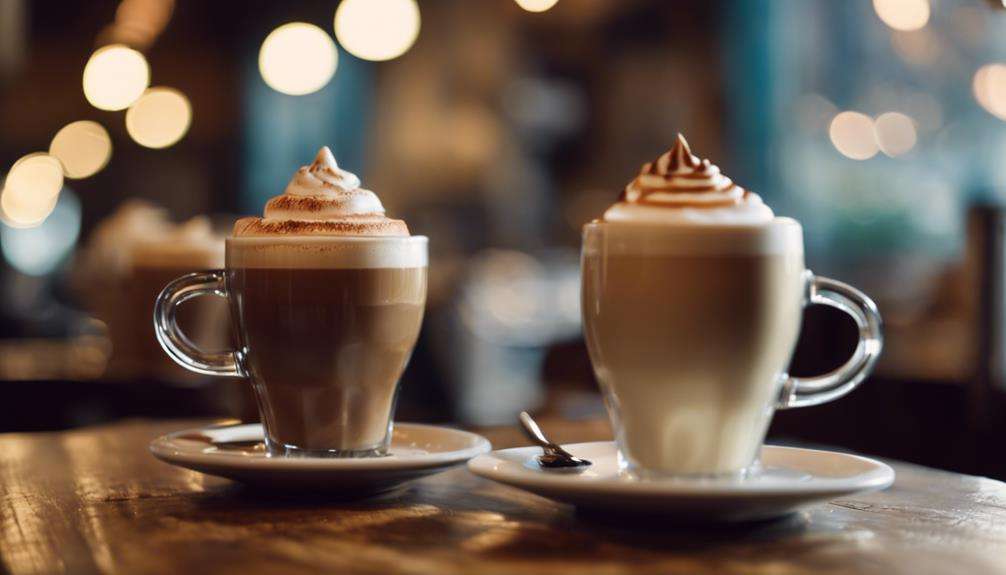
Popular variations of these classic coffee drinks offer unique twists that cater to different taste preferences and experiences. When diving into cappuccino variations, you might enjoy a Cappuccino Chiaro, which has more steamed milk for a lighter flavour, or a invigorating Cappuccino Freddo, perfect for hot days. If you prefer a stronger taste, the Cappuccino Scuro, with less milk and extra foam, might be your go-to.
Latte types also provide exciting choices. The Latte Macchiato layers steamed milk with just a dash of espresso, giving you a milder coffee experience. You can also explore seasonal flavours, like pumpkin spice or peppermint, that many cafes introduce during the holidays.
For macchiato styles, try the Marocchino, an upside-down cappuccino that mixes espresso, frothed milk, and cocoa powder for a delightful chocolatey twist. Each of these variations reflects regional preferences and creative adaptations, allowing you to discover new favorites. Whether you choose a rich cappuccino, a creamy latte, or a concentrated macchiato, there’s always something new to savor in the world of coffee.
Cultural Differences
Cultural appreciation for coffee varies widely, with cappuccinos, lattes, and macchiatos each embodying distinctive traditions and preferences around the globe. The cappuccino, traditionally enjoyed in Italy as a morning beverage, holds cultural significance tied to breakfast rituals, reflecting a typical Italian consumption habit. In contrast, the latte, which has historical origins in Italy, has transcended borders to become a global favourite. You’ll find it customized with various flavours, showcasing how local tastes influence coffee culture.
The macchiato, meaning ‘stained’ in Italian, emphasizes a bold espresso flavour with minimal milk, catering to those who prefer a stronger coffee experience. This drink reveals regional variations in coffee preferences, particularly in Italy, where smaller servings of cappuccinos highlight a different approach to coffee enjoyment compared to the larger, creamier lattes.
As coffee evolves, international interpretations emerge, like the caramel macchiato, blending traditional elements with local trends. These adaptations illustrate how coffee rituals differ from one culture to another, emphasizing the diverse consumption habits that enrich the global coffee landscape. Each drink not only satisfies a craving but also tells a story about its cultural roots and significance.
Health Considerations
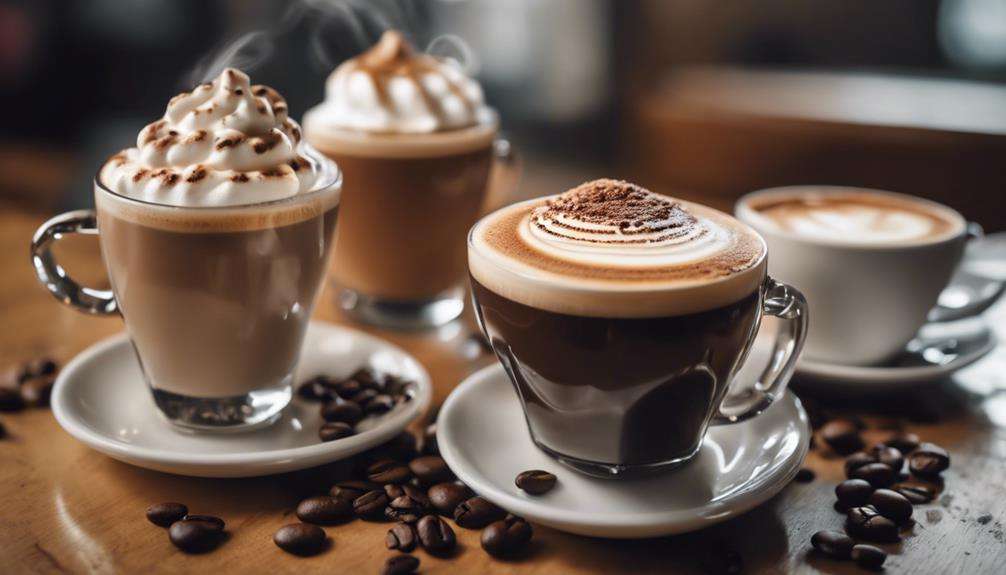
Considering your health choices, it’s essential to compare the caloric and nutritional profiles of cappuccinos, lattes, and macchiatos. Cappuccinos generally have around 130 calories, making them a lighter option. Lattes, with approximately 206 calories, are higher in protein (about 13g) and fat (around 8g), which could impact your dietary choices if you’re focused on macronutrient balance. On the other hand, macchiatos are the lowest in calories, with about 0.7, making them suitable for calorie counting.
When it comes to caffeine sensitivity, cappuccinos and lattes pack about 173 mg of caffeine in a 16-ounce serving, while macchiatos offer around 85 mg in a 2-ounce serving. This difference can greatly affect your caffeine tolerance and preferences.
Additionally, keep in mind that adding flavoured syrups or sweeteners can alter the health benefits of these beverages. If you’re aiming for a low-calorie or low-sugar option, each drink’s base can help guide your choices. Ultimately, understanding these differences enables you to make informed decisions that align with your health goals.
Best Pairings
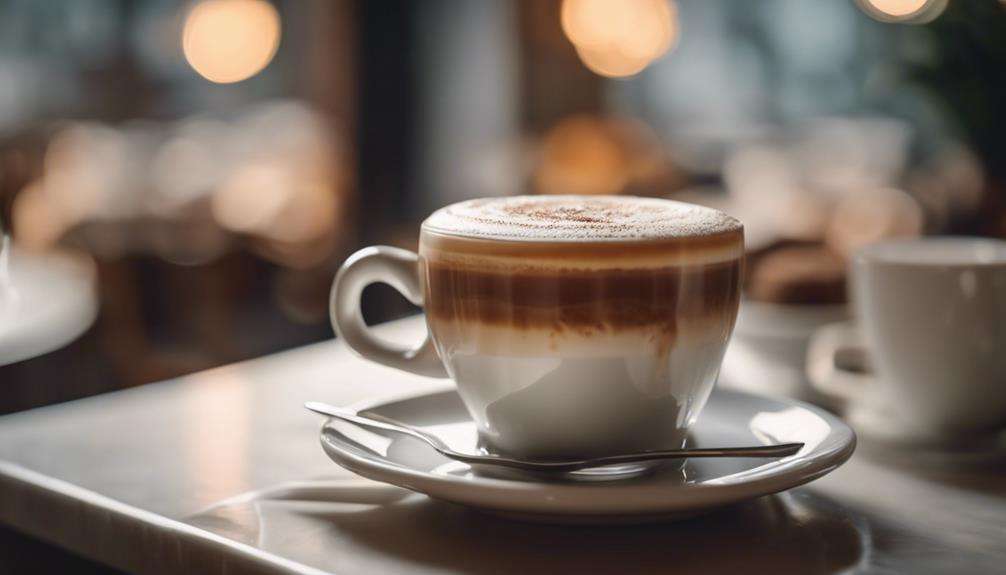
When enjoying your favourite coffee drink, pairing it with complementary foods can enhance the overall experience. For cappuccinos, the best dessert pairings include rich pastries like croissants or biscotti, as their buttery flavours balance the coffee’s robustness. You might also consider savoury snack suggestions like quiches or cheese plates, where the creamy foam softens the richness of the foods.
Latte lovers can savour their drink with sweet treats such as muffins or scones. These baked goods harmonize well with the latte’s milder flavour, enhancing the sweetness without overwhelming the palate. Seasonal flavour combinations, like adding pumpkin spice in the fall, can elevate your latte experience further.
If you’re sipping a macchiato, dark chocolate or fruit-based desserts make ideal pairings. The strong coffee flavour contrasts beautifully with the sweetness, creating a delightful balance. For all three drinks, keep these pairing tips in mind: consider the drink’s intensity and flavour profile to choose complementary foods, and think about the ideal serving occasions—whether it’s a cosy breakfast or an afternoon treat. Enjoy experimenting with different pairings to find your perfect match!
Tips for Home Brewing
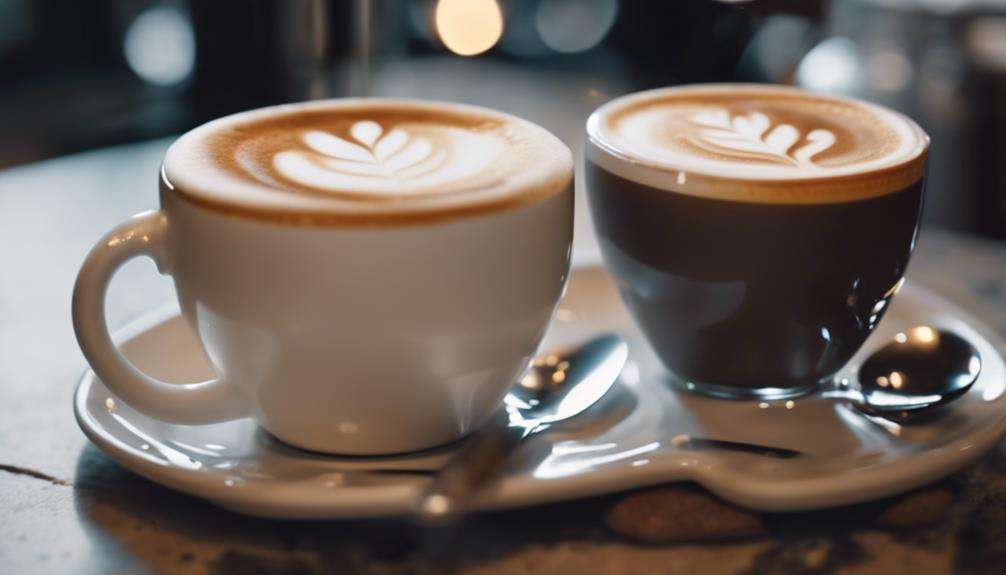
To brew the perfect cappuccino, latte, or macchiato at home, always start with a quality espresso machine that extracts rich flavours in just 20-30 seconds. This guarantees you get a strong shot of espresso, which is the foundation of all three drinks. For cappuccinos, aim for a 1:1:1 ratio of espresso, steamed milk, and milk foam. Steam your milk to around 150°F to achieve that rich, velvety texture.
When preparing a latte, use a 1:3 ratio of espresso to steamed milk, with just a thin layer of foam on top for a smooth mouthfeel. For macchiatos, focus on a strong espresso shot topped with a small dollop of foamed milk, keeping the coffee-to-milk ratio between 4:1 and 9:1 to maintain that bold espresso flavour.
Don’t hesitate to engage in flavour experimentation. Try different milk types for milk frothing—whole milk offers creaminess, while alternatives like almond or oat milk deliver unique tastes and textures. Your ingredient selection will greatly influence the final result, so choose wisely and enjoy the process of home brewing these delightful beverages!
10 Frequently Asked Questions (FAQs) on Cappuccino, Latte, and Macchiato
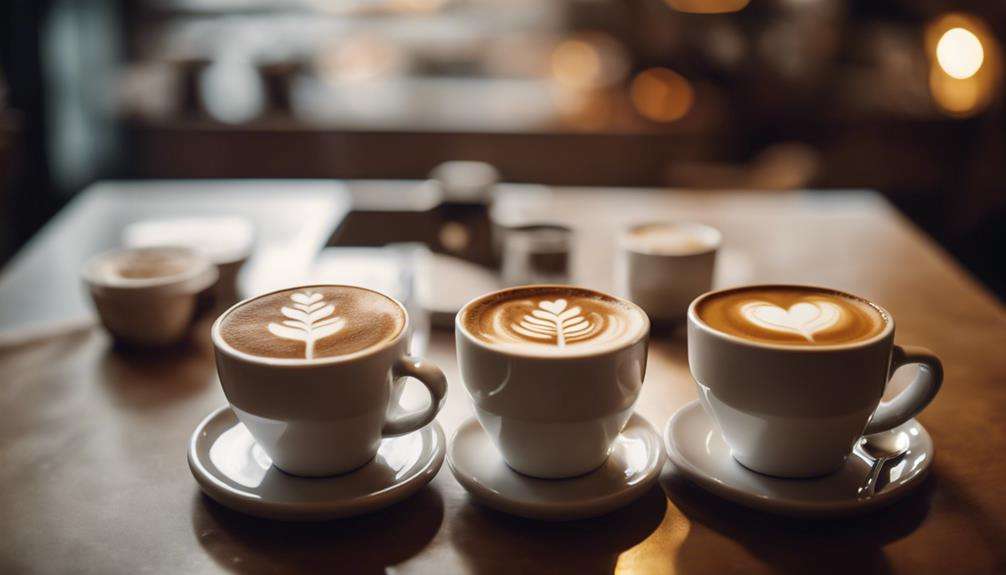
If you’ve ever wondered about the differences between cappuccinos, lattes, and macchiatos, you’re not alone; many coffee enthusiasts have questions about these popular drinks. One common query relates to caffeine content. Typically, a cappuccino and latte each contain about 173 mg of caffeine in a 16-ounce serving, while a macchiato has around 85 mg in a smaller, 2-ounce serving.
People often ask how brewing techniques affect the drinks. Cappuccinos require equal parts espresso, steamed milk, and foam, while lattes use more steamed milk for a creamier texture. Macchiatos, on the other hand, focus on a strong espresso flavour with just a touch of foam.
Historical origins also intrigue many. Cappuccinos emerged in Italy, while lattes originated from Northern Europe and macchiatos have roots in Italian coffee culture.
Lastly, regional variations can influence drink preferences. In some areas, you might find sweeter lattes or frothy cappuccinos, while elsewhere, macchiatos might be served stronger. Understanding these aspects can help you choose the perfect coffee drink to suit your taste.
Frequently Asked Questions
Which Is Stronger, Latte or Cappuccino?
When you compare a latte and cappuccino, you’ll find that a cappuccino’s stronger flavour profile comes from its espresso ratio and milk texture. The equal parts of espresso, steamed milk, and foam create a robust drink, while a latte has more milk, leading to a creamier taste. Additionally, cappuccinos often have a higher drink temperature due to their preparation method, enhancing that bold coffee experience you might crave. So, cappuccino’s definitely the stronger choice!
Is Latte or Latte Macchiato Stronger?
When comparing a latte and a latte macchiato, you’ll find that the latte is generally stronger. In latte preparation, you blend espresso with more steamed milk, resulting in a creamier flavour profile. On the other hand, a latte macchiato, with its origins in layered milk frothing, features a shot of espresso poured over milk, diluting the coffee ratios. This means the latte often delivers a bolder coffee experience than the milder macchiato.
What’s the Difference Between a Latte and a Cappuccino and a Mocha?
When you explore the differences between a latte, cappuccino, and mocha, you’ll notice distinct flavour profiles and milk textures. Lattes combine espresso with a larger amount of steamed milk, creating a creamy drink. Cappuccinos, with equal parts espresso, steamed milk, and foam, offer a rich texture. Mochas blend espresso, steamed milk, and chocolate, resulting in a sweet treat. Each drink varies in preparation methods and serving sizes, reflecting their unique origins and appeal.
What Has More Caffeine, Cappuccino or Macchiato?
When you compare caffeine content between cappuccino and macchiato, the cappuccino typically has more due to its larger serving size. Both drinks use similar brewing methods with espresso, but the milk types and amounts differ considerably. Cappuccinos have equal parts espresso, steamed milk, and foam, while macchiatos have just a small amount of milk. This results in distinct flavour profiles, making the cappuccino creamier and the macchiato bolder, despite their espresso similarities.
Conclusion
Now that you know the differences between cappuccino, latte, and macchiato, you can confidently choose the perfect drink for your mood. Whether you crave the bold richness of a cappuccino, the creamy smoothness of a latte, or the concentrated punch of a macchiato, each option brings its own unique experience. So, the next time you step into a coffee shop, let your taste buds guide you to the drink that’ll elevate your coffee experience!


